

If your business runs any of its own servers or on-premises hardware, you have already made a decision about where to keep them. Most businesses default to what is convenient: a back office, an IT room, sometimes a converted storeroom with a single air conditioning unit and an extension cord running to a UPS. It works until it does not, and when it stops working, the cost tends to be higher than anyone expected.
Colocation is the alternative. It is not a new concept, but it is one that many businesses in the Philippines encounter only after experiencing a problem that colocation would have prevented.
What Colocation Actually Means
Colocation (colo) means housing your servers and network equipment in a professionally managed data center facility rather than keeping them on your own premises. You still own the hardware. You still control what runs on it. The data center provides everything around it.
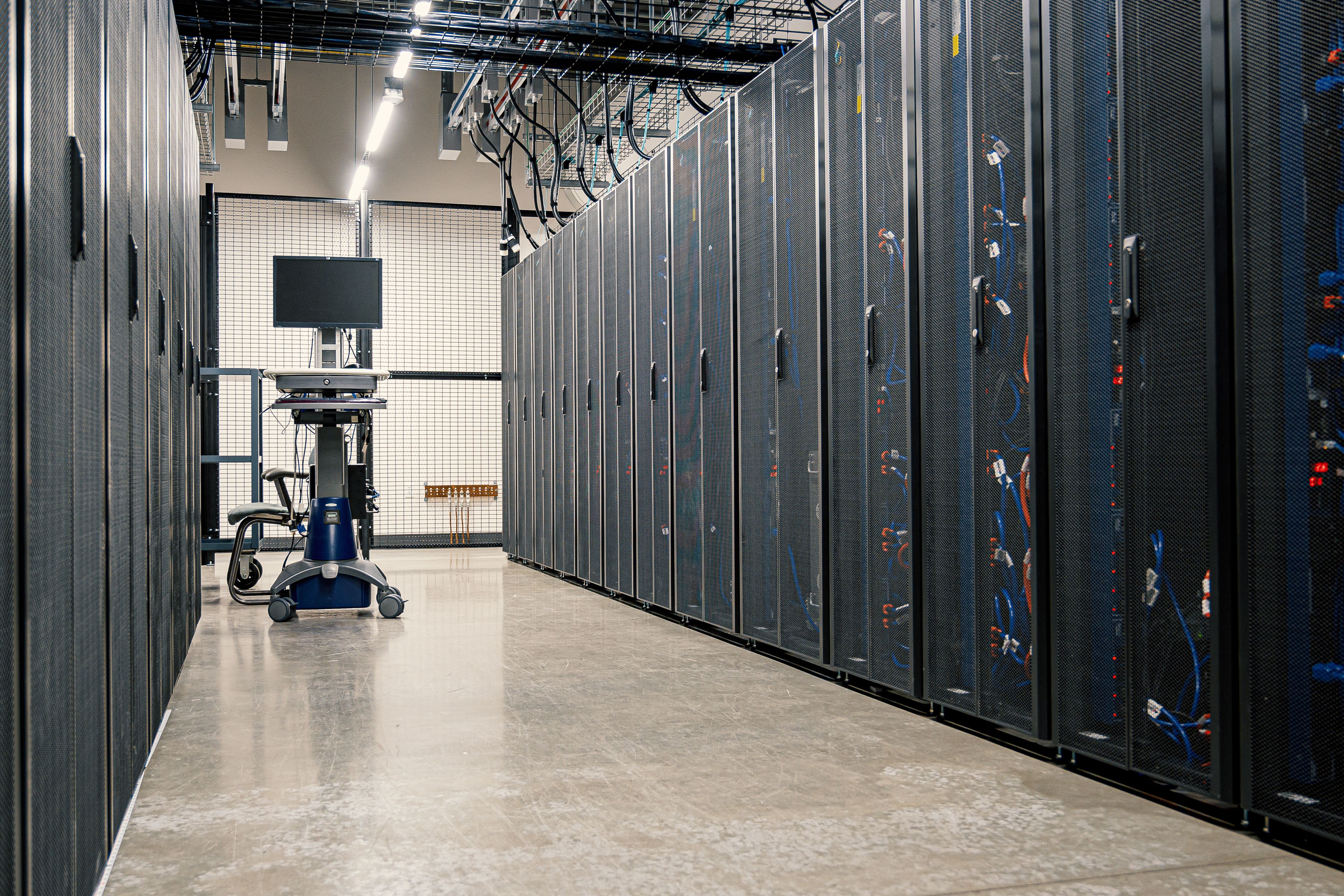
Instead of a back office in Davao or a server closet in Cebu, your equipment sits in a purpose-built facility with controlled cooling, redundant power, physical security, and enterprise-grade network connectivity.
Why Businesses Do Not Build Their Own Facilities
Building and operating a facility to professional data center standards requires significant capital investment in power systems, cooling equipment, backup generators, fire suppression, physical security, and network connectivity. It also requires ongoing operational resources: personnel, maintenance contracts, and expertise to manage the systems around the clock.
Colocation gives businesses access to enterprise-grade infrastructure without the capital expense of building and maintaining their own facility. In the Philippine context, this point carries additional weight. Power quality and stability vary significantly across regions. A business in Cagayan de Oro or General Santos managing its own server infrastructure is also managing its own exposure to power interruptions, heat, humidity, and the other environmental factors that a data center is specifically engineered to control.
What the Data Center Environment Provides
Physical protection
- Redundant power systems — if primary fails, backup takes over
- Controlled, precise cooling for server hardware
- Layered physical security with access cards and biometrics
- Seismic compliance and structural resilience
Connectivity and compliance
- Carrier-neutral: access to multiple providers from the same facility
- Enterprise-grade network connectivity without building it independently
- Documented, auditable environment for regulated industries
- No single point of failure in internet connectivity
The Business Case in the Philippines
Typhoon exposure is a genuine infrastructure risk for businesses across the archipelago. Physical damage from extreme weather is not something a standard office building is designed to protect against. A professional data center is engineered with seismic compliance, elevation requirements, and structural resilience in mind. For businesses in typhoon-prone areas of Visayas and Mindanao, this is not an abstract benefit.
The cost of building equivalent infrastructure independently is prohibitive for most businesses. Colocation provides access to what would otherwise require significant capital investment, spread across the businesses using the same facility, making the per-business cost manageable.
What Colocation Does Not Do
Colocation is not cloud hosting. When you colocate, you own the physical hardware and it lives in a specific facility. Cloud hosting means workloads run on infrastructure owned by a third party. They serve different purposes.
Colocation is not managed services. Housing your equipment in a data center does not mean someone else manages what runs on it or monitors its performance. Managed services is the service layer. Colocation is the physical environment. The right question is not which one to choose, but whether your situation calls for one, the other, or both.
Is Colocation Right for Your Business?
Colocation is worth a serious look if any of these apply
- You have on-premises servers critical to your operation currently housed in a space not designed for them
- You have experienced hardware failures or data loss from power interruptions, overheating, or physical security gaps
- Your current setup has a single point of failure in internet connectivity with no redundancy
- You are in a regulated industry where data-handling requirements apply to how infrastructure is managed
- You are growing and need infrastructure that scales without expanding your own physical space
- You have experienced business interruption from a typhoon, flooding, or other environmental event
Bottom Line
Colocation gives businesses access to an infrastructure environment they cannot cost-effectively build on their own, in exchange for a predictable cost. For businesses that have been managing critical hardware in conditions that were never designed for it, the move is usually obvious in retrospect.
The next piece in this series covers VITRO facilities specifically, including what the certifications mean, how the power redundancy works, and what carrier neutrality provides in a Philippine context.